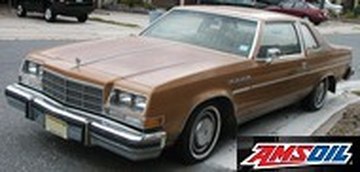
Lubrication Maintenance for the 1981 Buick ELECTRA 5.7L Diesel
Maintaining a diesel engine requires a disciplined approach to fluid management and routine inspections. For the 1981 Buick ELECTRA equipped with the 5.7L diesel powerplant, consistent attention to lubrication systems is a fundamental aspect of long-term engine health. Because diesel engines operate under different thermal and mechanical stresses than gasoline counterparts, following specific maintenance protocols ensures that the engine remains protected against unnecessary wear.
Monitoring Fluid Integrity and Condition
One of the most effective ways to monitor the health of the 5.7L diesel engine is through regular observation of the lubricant's appearance and consistency. When performing routine checks, it is useful to look for changes that might indicate something requires investigation. For example, a significant change in the color or texture of the oil can be an important indicator of how the engine is operating.
If you notice unusual odors or visible changes in the fluid's clarity, these symptoms warrant further inspection. It is also helpful to monitor for any signs of unexpected consumption. While all engines may consume a small amount of lubricant over time, a noticeable increase in the frequency of top-offs should be investigated to determine the cause. Such changes can be associated with various factors, ranging from simple evaporation to more complex mechanical issues that require professional diagnosis.
Systematic Inspection of Engine Components
A proactive maintenance strategy involves looking beyond just the oil itself and examining the surrounding components for signs of age or wear. For a vehicle of this era, inspecting the integrity of various seals and connections is a practical way to prevent future issues. Rather than assuming a part has failed, owners should look for evidence of seepage or leakage around accessible areas.
When performing an inspection, consider the following points:
- Gaskets and Seals: Inspect visible gaskets and seals for signs of age-related seepage. Even small amounts of moisture or oil near a seal can indicate that the material is beginning to lose its effectiveness.
- Hoses and Connections: If present, check hoses for any signs of cracking, softening, or bulging. Ensuring that connections remain tight and secure helps maintain system pressure and prevents fluid loss.
- Electrical and Wiring: Inspect accessible wiring and electrical connectors for signs of fraying or corrosion, which can impact the overall reliability of engine sensors and components.
- Drive Components: If equipped, examine any accessible drive belts for evidence of glazing, cracking, or fraying. Maintaining these components is essential for the proper operation of engine accessories.
By conducting these visual checks regularly, you can identify potential concerns before they escalate into more significant mechanical problems.
Prioritizing Long-Term Engine Care
As a vehicle ages, maintenance priorities often shift from simple part replacement to a more holistic view of the engine's condition. For owners of a 1981 Buick ELECTRA, establishing a clear understanding of the vehicle's current state is vital for making informed service decisions.
If you do not have access to a complete service history, your first priority should be to establish a maintenance baseline. This involves documenting all recent fluid changes, filter replacements, and any repairs that have been performed. Once you have a clear picture of what has been done, you can better distinguish between necessary preventive maintenance and unnecessary component replacement.
When managing an older diesel engine, it is often more effective to address active signs of wear—such as minor leaks or changes in fluid behavior—rather than following a rigid schedule based solely on the vehicle's age. This condition-based approach allows you to allocate resources toward the areas that actually require attention, ensuring the 5.7L diesel engine receives the specific care it needs to remain operational.
The Role of High-Mileage Formulations
For engines that have accumulated significant mileage, certain lubricant formulations may offer specific advantages. Some high-mileage oil formulations contain additives intended for use in aging engines. These specialized products often include seal-conditioning additives, which are designed to help maintain the flexibility and effectiveness of various engine seals.
While these formulations can be a helpful tool in managing an older engine, they should be used as part of a broader maintenance strategy. The primary goal remains the consistent application of a high-quality lubricant that meets the specific needs of the 5.7L diesel application. Using appropriate products helps manage the internal environment of the engine, assisting with heat management and helping to control the buildup of deposits.
Effective Record Keeping for Diesel Engines
Maintaining detailed records is one of the most valuable habits an owner can develop. For a 1981 Buick ELECTRA, keeping a log of every oil change, filter replacement, and fluid inspection provides a roadmap of the engine's life. This documentation is particularly useful when:
- Identifying Trends: If you notice that oil consumption is increasing over several months, your records will help you determine exactly when the change occurred.
- Assisting Technicians: When professional service is required, providing a clear history of previous repairs and maintenance can significantly speed up the diagnostic process.
- Determining Service Needs: Having a record of when components like belts or hoses were last inspected helps you stay ahead of potential failures.
A well-maintained logbook transforms maintenance from a reactive task into a controlled, predictable part of vehicle ownership.
Practical Guidance for BUYING ENGINE OIL for your 1981 Buick ELECTRA 5.7L
When it is time to replenish your engine's lubricant, the most important step is to ensure that the product you select matches the specific requirements of your engine. For this 1981 Buick ELECTRA with the 5.7L diesel engine, do not rely on general automotive knowledge or assumptions based on the vehicle's age to choose a grade.
Instead, match the engine oil to the application-specific viscosity information already displayed on this webpage. Before making a purchase, carefully check the product labeling to verify that the oil meets the necessary quality standards and certifications for your specific diesel application. You may choose between conventional, synthetic blend, or full synthetic formulations depending on your maintenance goals, but always prioritize the viscosity and specifications listed in the application data provided above. By strictly adhering to these documented requirements, you ensure that the lubricant provides the appropriate level of protection for your engine's internal components.